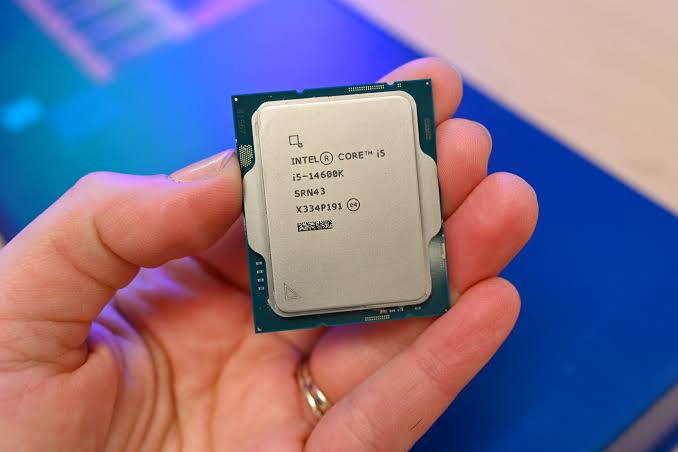
In the pursuit of maximum processing performance, enthusiasts constantly battle thermal resistance. Even with a world-class 360mm AIO liquid cooler or a massive custom open loop, a hard physical barrier stands between your cooling block and the processor’s silicon: the Integrated Heat Spreader (IHS).
Modern desktop processors from Intel and AMD do not expose their raw silicon to the outside world. Instead, the tiny, fragile processing die is covered by a thick, nickel-plated copper lid designed to protect the chip from physical damage and distribute mounting pressure. However, this metal lid introduces an extra layer of thermal resistance.
For extreme overclockers and enthusiasts pushing hardware to absolute extremes, standard cooling is no longer enough. The ultimate frontier of thermal optimization is Delidding and Direct-Die Cooling.
1. The Physics of the IHS Thermal Bottleneck
To understand why enthusiasts risk destroying expensive processors, you must examine the microscopic thermal layers between the CPU die and your cooler:
- Silicon Die: Generates immense thermal energy.
- Internal Thermal Interface Material (iTIM): A microscopic layer of solder or thermal paste connecting the die to the underside of the metal lid.
- The Nickel-Plated Copper IHS: The thick metal lid itself.
- External Thermal Interface Material (eTIM): The thermal paste you apply between the top of the IHS and your CPU cooler block.
Every single transition point adds thermal resistance, trapping heat inside the processor. Furthermore, as manufacturing tolerances have shifted, the microscopic gap between the die and the underside of the IHS has occasionally suffered from poor factory application—creating uneven hotspots that cause the CPU to thermal throttle even when the outer metal lid feels cool.
2. What is “Delidding”?
Delidding is the surgical process of physically removing the Integrated Heat Spreader from the CPU circuit board, exposing the bare silicon die underneath.
Historically performed using razor blades (a high-risk method that often destroyed billions of dollars in silicon via a single slip), modern enthusiasts use precision-engineered mechanical Delid Tools (such as those designed by hardware overclocker Der8auer).
- The Process: The CPU is locked into a specialized metal block, and a precision-threaded screw or sliding mechanism applies steady, parallel force to push the IHS horizontally away from the green PCB until the factory adhesive seals snap cleanly.
- Post-Delid Options: Once delidded, an enthusiast has two paths: replace the inferior factory solder/paste on the underside of the IHS with high-performance liquid metal and glue the lid back on (“Relidding”), or bypass the metal lid entirely via Direct-Die Cooling.
3. Direct-Die Cooling: Bypassing the Lid
Direct-die cooling involves taking a specialized water block or air cooler and mounting its copper cold plate directly onto the bare CPU silicon, completely removing the metal IHS from the equation.
- The Thermal Payoff: By eliminating the metal lid and the external thermal paste layer, you remove two major thermal resistance barriers. The temperature drop is astonishing. Under a heavy Cinebench or Prime95 workload, a direct-die cooled CPU will routinely see temperature reductions of 15°C to 25°C compared to stock IHS configurations.
- Headroom Unleashed: Dropping operating temperatures by 20°C provides massive thermal headroom. The processor’s internal boosting algorithms will sustain higher clock speeds indefinitely, and manual overclocks that previously hit thermal walls become entirely stable.
4. The Extreme Risks of Direct-Die Cooling
While the thermal rewards are unmatched, direct-die cooling is an extreme modification that voids your warranty and carries severe physical risks.
- The Fragile Silicon Die: Without the thick metal IHS to distribute pressure, the entire weight of your CPU cooler block is pressing down directly on a piece of bare silicon roughly the size of a postage stamp. If you tighten one mounting screw a fraction of a turn too far, or torque the screws unevenly, the brittle silicon will instantly crack or shatter, instantly turning an expensive processor into a useless paperweight.
- Exposed SMD Components: Surrounding the bare CPU die on the green PCB are dozens of tiny, microscopic Surface Mount Device (SMD) capacitors.
- The Liquid Metal Hazard: Because direct-die cooling requires using electrically conductive Gallium-based liquid metal directly on the die, a single microscopic drop spilling over the edge onto these exposed capacitors will cause an immediate electrical short circuit, destroying the motherboard and CPU the instant you press the power button. (Enthusiasts must meticulously coat these components in a protective, non-conductive electrical conformal coating or nail polish before mounting).
- Mounting Clearance Issues: Standard CPU water blocks have a protruding outer rim designed to clear the height of a standard IHS. When mounted directly to a bare die, this rim will physically prevent the copper block from making contact with the silicon unless you use a specialized “Direct-Die Frame” and a modified cooler retention kit.
Conclusion: The Final Frontier of Tuning
CPU delidding and direct-die cooling represent the absolute bleeding edge of PC thermal optimization. While traditional cooling methods—such as upgrading to a 360mm AIO, optimizing case airflow, and undervolting—are more than sufficient for 99% of users and gamers, direct-die modification remains the ultimate tool for enthusiasts willing to accept catastrophic hardware risk in exchange for absolute, uncompromised thermal supremacy.